Boca Raton : 561.488.2200 |  Delray Beach: 561.637.4200

Ankle Instability Specialist

Advanced Ankle Ligament Reconstruction Using Internal
Brace™ Technology
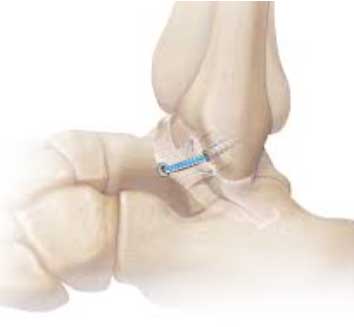
Repeated ankle sprains and chronic ankle instability can significantly impact your ability to walk, exercise, participate in sports, and maintain an active lifestyle. While many ankle sprains heal successfully with conservative treatment, some patients develop persistent instability, recurrent injuries, chronic pain, and progressive joint damage.

Dr. John Goodner specializes in the diagnosis and treatment of chronic ankle instability, sportsrelated ligament injuries, minimally invasive ankle surgery, revision ligament reconstruction, and advanced stabilization procedures utilizing Internal Brace™ technology.

What Is Chronic Ankle Instability?

Chronic ankle instability occurs when the ligaments that support the ankle become stretched, torn, or fail to heal properly after an injury. As a result, patients may experience:

  • Recurrent ankle sprains
  • Frequent "rolling" of the ankle
  • Persistent instability
  • Chronic swelling
  • Pain with activity
  • Difficulty participating in sports
  • Uneven terrain intolerance
  • Fear of reinjury

Over time, untreated instability can lead to cartilage damage, tendon injuries, and post-traumatic ankle arthritis.

Common Causes of Ankle Instability

Conditions that may contribute to instability include:

  • Recurrent ankle sprains
  • Sports injuries
  • Ligament tears
  • High ankle sprains
  • Previous fractures
  • Generalized ligament laxity
  • Flatfoot deformity
  • Failed prior ligament surgery
  • Tendon dysfunction

Early evaluation is important to prevent long-term joint damage.

Symptoms of Chronic Ankle Instability

Patients commonly report:

  • Repeated ankle sprains
  • Ankle weakness
  • Chronic swelling
  • Catching or locking sensations
  • Pain during activity
  • Difficulty with running or sports
  • Loss of confidence during movement
  • Feeling that the ankle "gives out"

Symptoms often worsen over time without appropriate treatment.

Comprehensive Evaluation

Accurate diagnosis is essential for successful treatment.

Evaluation may include:

  • Weight-bearing X-rays
  • Stress radiographs
  • Diagnostic ultrasound
  • MRI evaluation
  • Gait analysis
  • Ligament stability testing
  • Assessment of foot and ankle alignment

Many patients have associated injuries that contribute to ongoing symptoms.

Associated Conditions Frequently Seen with Ankle Instability

Chronic instability often occurs alongside:

  • Peroneal tendon injuries
  • Osteochondral lesions
  • Cartilage damage
  • Ankle impingement
  • Synovitis
  • Flatfoot deformity
  • Achilles tightness
  • Post-traumatic arthritis

Identifying and treating all contributing conditions improves long-term outcomes.

Conservative Treatment Options

Many patients improve without surgery. Treatment options may include:

  • Physical therapy
  • Balance and proprioceptive training
  • Functional bracing
  • Activity modification
  • Anti-inflammatory medications
  • Custom orthotics
  • Sports-specific rehabilitation

When instability persists despite appropriate treatment, surgical stabilization may be recommended.

Ankle Ligament Reconstruction

The most commonly injured ligaments are:

  • Anterior talofibular ligament (ATFL)
  • Calcaneofibular ligament (CFL)
  • Deltoid ligament complex

Ligament reconstruction restores stability and helps prevent recurrent injury.

Goals of surgery include:

  • Restoring normal ankle mechanics
  • Preventing future sprains
  • Reducing pain
  • Improving athletic performance
  • Protecting cartilage health
  • Preventing progressive arthritis

Internal Brace™ Ligament Augmentation

Modern ankle stabilization techniques have evolved significantly with the introduction of Internal Brace™ technology.

The Internal Brace utilizes high-strength suture tape augmentation designed to reinforce ligament repairs while healing occurs.

Potential benefits may include:

  • Increased construct strength
  • Enhanced stability
  • Protection during ligament healing
  • Earlier rehabilitation protocols
  • Earlier return to activity for appropriate patients
  • Durable long-term support

Internal Brace augmentation is commonly used in conjunction with primary ligament repair or reconstruction procedures.

Modified Broström Reconstruction with Internal Brace™

The Modified Broström procedure remains the gold standard for treating chronic lateral ankle instability.

When combined with Internal Brace augmentation, the repair can provide additional reinforcement for patients with:

  • Severe instability
  • High athletic demands
  • Generalized ligament laxity
  • Revision surgery cases
  • Recurrent ankle sprains

This technique aims to restore the ankle's natural anatomy while improving overall stability.

Minimally Invasive Ankle Surgery

Many ankle procedures can now be performed through smaller incisions and less invasive techniques.

Benefits may include:

  • Less soft tissue disruption
  • Smaller scars
  • Reduced postoperative discomfort
  • Faster rehabilitation
  • Earlier return to activity

Treatment recommendations are customized to each patient's condition and goals.

Arthroscopic Ankle Evaluation

Many patients with chronic instability also have intra-articular pathology that may not be visible on standard imaging.

Ankle arthroscopy may be performed to address:

  • Cartilage injuries
  • Scar tissue
  • Synovitis
  • Bone spurs
  • Loose bodies
  • Osteochondral defects

Treating these conditions at the time of reconstruction may improve outcomes and reduce persistent symptoms.

Sports Medicine & Return to Play

Athletes place significant demands on their ankles.

Common sports affected include:

  • Running
  • Soccer
  • Football
  • Basketball
  • Tennis
  • Pickleball
  • Volleyball
  • Dance and gymnastics

The goal of treatment is not only stability but also a safe return to sport at the highest possible level.

Revision Ankle Ligament Reconstruction Specialist

Not all ankle surgeries heal successfully.

Revision surgery may be required for:

  • Failed Broström procedures
  • Recurrent instability
  • Persistent pain
  • Ligament re-tears
  • Previous trauma
  • Malalignment
  • Untreated tendon pathology
  • Progressive arthritis

Revision cases require advanced evaluation and individualized reconstructive planning.

Preventing Ankle Arthritis

Repeated ankle sprains and instability can accelerate cartilage damage. Early stabilization may help:

  • Protect cartilage surfaces
  • Reduce recurrent injury
  • Preserve ankle function
  • Minimize long-term degeneration
  • Delay or prevent post-traumatic arthritis

Addressing instability before significant joint damage occurs often leads to better long-term outcomes.

Why Choose a Foot & Ankle Reconstruction Specialist?

Successful treatment of ankle instability requires expertise in:

  • Sports medicine
  • Ligament reconstruction
  • Arthroscopic surgery
  • Internal Brace stabilization
  • Tendon reconstruction
  • Revision surgery
  • Foot and ankle biomechanics

The goal is to restore stability, improve function, reduce pain, and return patients to the activities they enjoy

Schedule Your Evaluation

If you suffer from recurrent ankle sprains, chronic ankle instability, persistent pain, or have failed previous treatment, a comprehensive evaluation can help determine the most effective treatment plan. 

Dr. John Goodner specializes in ankle ligament reconstruction, Internal Brace™ stabilization, sports medicine, minimally invasive ankle surgery, revision ligament repair, and complex foot and ankle reconstruction.

Same-day and next-day appointments are available in Boca Raton and Delray Beach.

Boca Raton Office

West Boca Medical Arts Pavilion
9970 Central Park Blvd., Suite 300
Boca Raton, FL, 33428
Phone: 561.488.2200

Make an Appointment

To schedule an appointment at Golden Orthopedics, please call one of our offices:

BOCA RATON : 561.488.2200
DELRAY BEACH: 561.637.4200

Delray Beach Office

Shops of San Marco Professional Offices
13550 Jog Rd. Suite 204
Delray Beach, FL 33446
Phone: 561.637.4200
